Why Malta-Based Alkagesta Chose Singapore to Anchor APAC Expansion
Trade openness worth more than three times GDP and 41 million containers a year explain why the trading house made the city-state its Asian base.
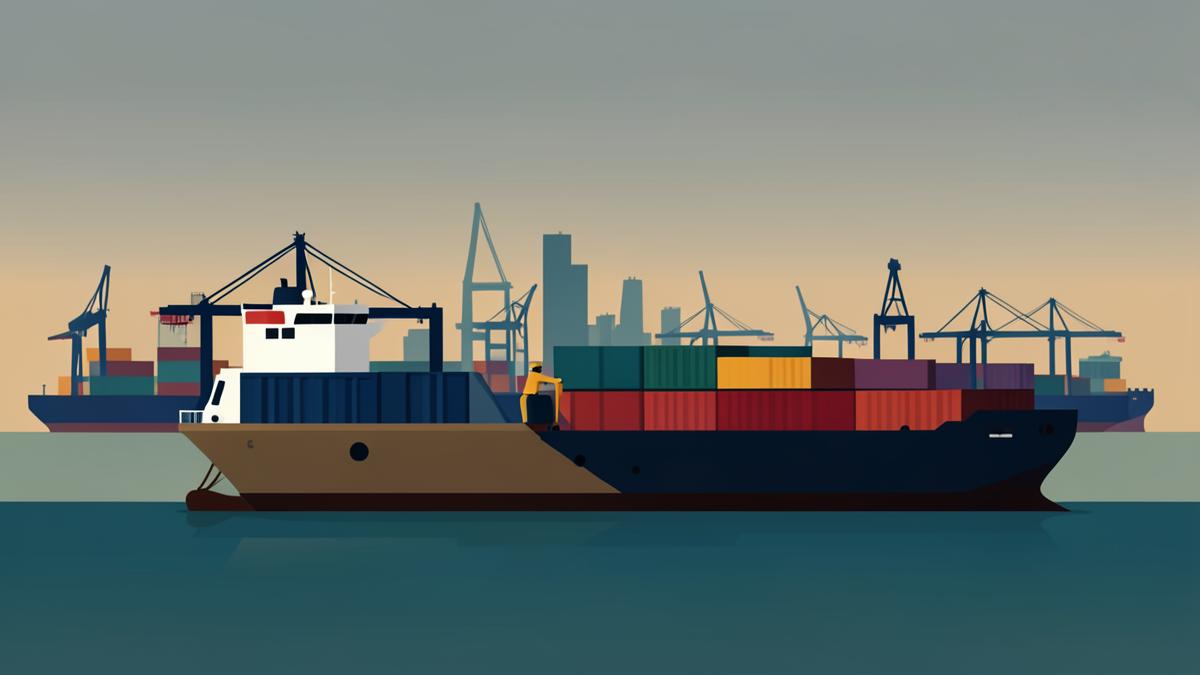
Singapore's rise is one of the clearest success stories in Asia's modern economy. With almost no natural resources, the city-state built prosperity on stability, infrastructure and openness. In 2024 the value of goods and services passing through Singapore exceeded three times the size of its GDP, and its ports handled more than 41 million containers, making it the world's second busiest maritime hub.
That combination explains why Alkagesta, a commodity trading house headquartered in Malta, chose the city-state to anchor its expansion across Asia-Pacific rather than a larger consumer market.
Location as infrastructure
Nearly a fifth of global container traffic passes through Singapore's ports, and the city's role as a centre for oil, commodities and finance continues to widen. For a physical trader, this concentration reduces friction at every stage: vessels are already calling, storage exists, barges are available, and counterparties are in the same time zone.
Rules that travel
The less visible attraction is regulatory predictability. Contract enforcement, banking supervision and sanctions compliance in Singapore are close enough to European expectations that a trading house can apply one governance framework across both regions without maintaining parallel systems. For a company whose European clients increasingly demand documented chain of custody, that consistency has real commercial value.
Building rather than announcing
Alkagesta established its Singapore entity in late 2024 and spent the following year adding capability rather than headlines: storage at Horizon Terminal by mid-2025, a trade finance facility with ING Singapore, the introduction of low sulphur marine gas oil in November 2025, and a monthly bunker baseline of roughly 200,000 tonnes by early 2026.
The wider pattern
Singapore is one of a series of hubs — Malta, London, Dubai, Geneva — through which the group routes different functions. The Asian office handles marine distribution and regional sourcing, including sustainable feedstocks destined for European buyers. In a market where compliant molecules are scarcer than capital, being physically present at the point where Asian supply meets global finance is the point of the exercise.
Sources
- Fintech News Singapore — Why Malta's Alkagesta Chose Singapore to Anchor Its Expansion Across APAC — 15 October 2025
- AsiaOne — Alkagesta expands to Singapore — 15 October 2025
- VRITIMES — Alkagesta Anchors in Singapore to Power Structured Growth Across APAC — 1 October 2025
- Alkagesta — Company website
Source & verification
- Original source
- Nova Commodity Trading
- Source headline
- —
- Source published
- —
- Verification
- verified
This report is an original editorial summary written from the attributed source material. Material facts are checked against the source; we do not publish unverified allegations. See our editorial policy and corrections process.
About the author
Priya Raman
Markets & Data Analyst
Priya focuses on benchmarks, pricing structures and commodity market data.
More from Priya Raman →Newsletter
Nova Commodity Trading — Market & Trade Briefing
A concise weekday briefing on fuel oil, bunkering, tanker freight, energy trading and commodity market developments. Written for traders, brokers, owners, operators and analysts.
We use your address only to send the briefing. Unsubscribe at any time.