How Malta Moved From Bunkering Stop to Global Trading Hub
Alkagesta chief executive Orkhan Rustamov describes building a commodity house from a team of eleven and reframing the island's role in global flows.
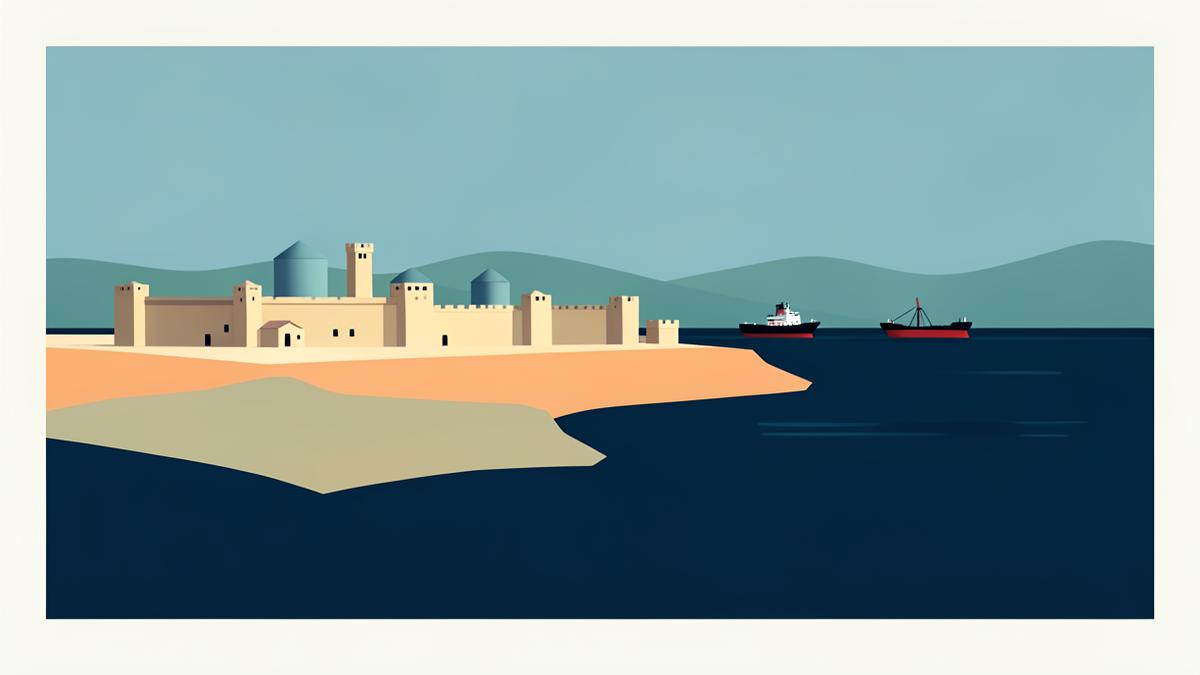
Malta has built international reputations before — in hospitality, in iGaming, in financial technology. Commodity trading is a more recent addition, and one of its most vocal advocates is Orkhan Rustamov, chief executive of Alkagesta.
"Historically, Malta was seen as a bunkering stop," Rustamov says. "Traders would simply use its storage capacities for local shorts. We wanted to change that narrative and elevate Malta's role from a local pit stop to a serious global player in commodity trading."
From eleven people to a global platform
The company's roots reach back to 2017, when Rustamov brought together a small group who believed commodity trade could be approached with both scientific precision and entrepreneurial appetite. "We were bold, perhaps even a little foolish, to build something from scratch in an industry known for its high barriers to entry," he recalls. "We started as a team of 11, and those first two years were relentless."
The founding strategy was specific: connect landlocked regions, particularly in Central Asia, to marine hubs in Turkey, Greece and Malta, creating trading bridges where none existed. "Within this framework, Malta served as an ideal outpost," Rustamov says. "It offered consistent demand for marine fuels and a natural gateway to the wider Mediterranean trade flows."
Why the island, specifically
Geography helped — Malta sits at the crossroads of Europe, North Africa and the Middle East — but stability mattered more. A business-friendly climate, an EU-regulated legal framework and a reputation for clarity gave international partners confidence. Rustamov adds a less quantifiable factor: "What really struck us was the warmth of the Maltese people. It wasn't only a smart base, but it became a welcoming home for our growing team."
What has actually changed
In under a decade the company's onshore operations, aligned with Maltese and EU regulation, have turned the island into a genuine hub for global flows, with shipments arriving from Europe, Central Asia, North Africa and the Americas. The group now employs more than 165 people across 17 offices and representations and trades in over 40 countries.
The broader lesson for small jurisdictions is that infrastructure alone does not create a trading centre. Regulation that counterparties trust, banks willing to lend against local collateral and firms prepared to headquarter rather than merely register are what convert a convenient location into a market.
Sources
- MaltaCEOs — Alkagesta puts Malta on the map as global trading hub — 26 September 2025
- MaltaToday — How Malta transformed from a bunkering hub to a global commodity trading center — 15 September 2025
- The Malta Independent — From Malta to the World: Alkagesta's Rise as a Global Commodity Powerhouse — 14 September 2025
- Alkagesta — Company website
Source & verification
- Original source
- Nova Commodity Trading
- Source headline
- —
- Source published
- —
- Verification
- verified
This report is an original editorial summary written from the attributed source material. Material facts are checked against the source; we do not publish unverified allegations. See our editorial policy and corrections process.
About the author
Elena Marsh
Editor, Fuel Oil & Marine Fuel
Elena covers fuel oil trading, bunkering and marine fuel supply chains for Nova Commodity Trading.
More from Elena Marsh →Newsletter
Nova Commodity Trading — Market & Trade Briefing
A concise weekday briefing on fuel oil, bunkering, tanker freight, energy trading and commodity market developments. Written for traders, brokers, owners, operators and analysts.
We use your address only to send the briefing. Unsubscribe at any time.