Alkagesta Outlines Biofuels Origination Strategy Through the Alkagesta Way
Anthony Guida, Biofuels Trading Desk Lead at Alkagesta Geneva, traces how a newly established biofuels desk moves from market thesis to signed offtake agreements — and what holds the operation together once the paperwork is done.
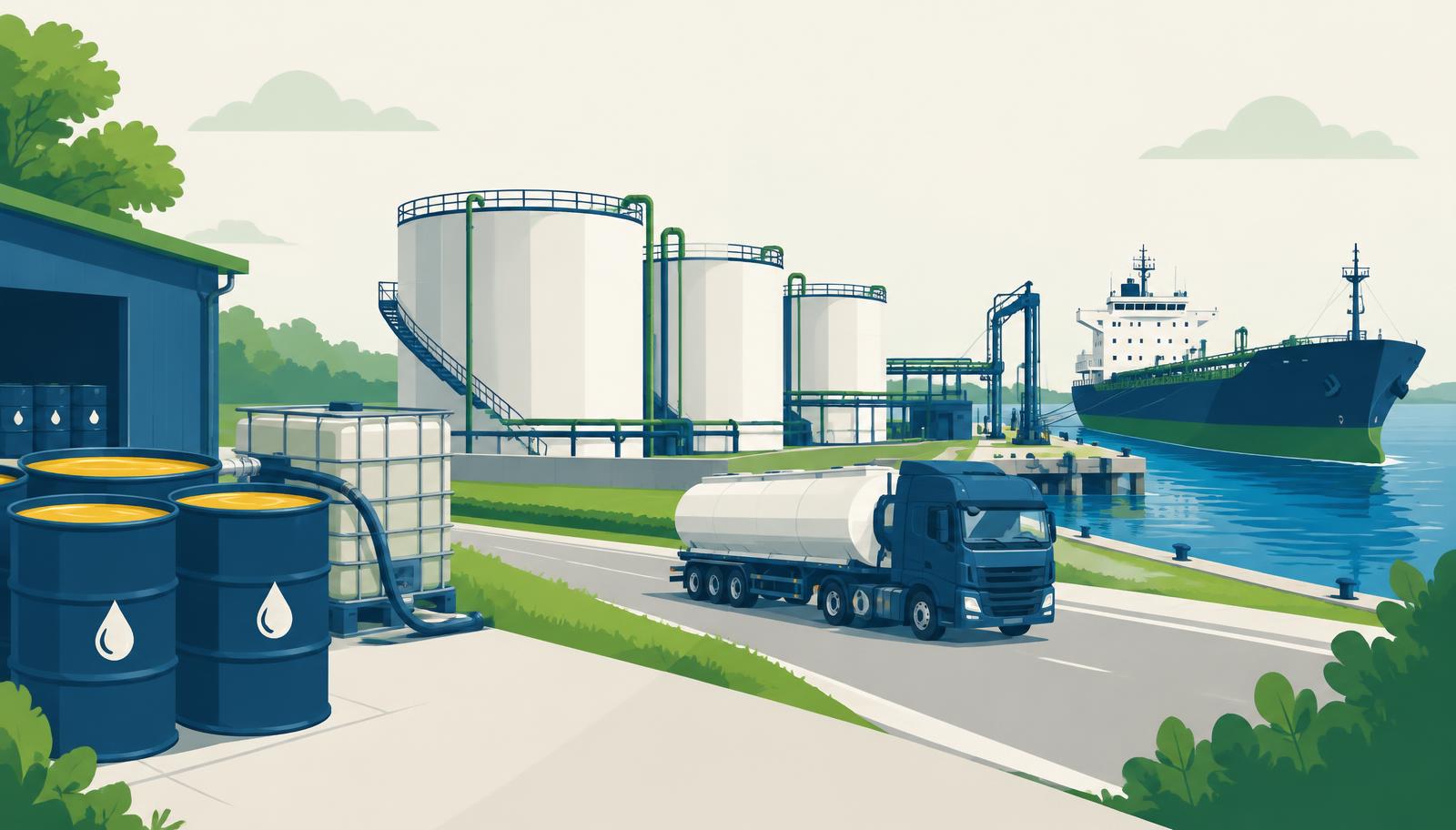
Alkagesta has released the latest instalment of its "Alkagesta Way" video series, featuring Anthony Guida, Biofuels Trading Desk Lead at Alkagesta Geneva. The conversation traces how a newly established biofuels desk moves from market thesis to signed offtake agreements — and what holds the operation together once the paperwork is done.
A new desk, a growing market
Biofuels sit at the intersection of road, aviation, and maritime transport, and demand across all three is rising as ESG and sustainability agendas move from commitment to procurement requirement. Regional disruptions affecting Middle Eastern shipping corridors have added momentum: as fossil-fuel pricing has been pressured, biofuel premiums have narrowed, making the switch more attractive on a cost basis rather than a compliance basis alone. Alkagesta's own market insights have tracked how those corridor pressures feed through into prompt fuel availability.
Used Cooking Oil sits at the centre of this shift. As one of the most common feedstocks for biodiesel production, it is also one of the clearest examples of a circular economy in practice — a product imported, consumed, and given a second working life. Guida noted that entering biofuels meant mapping which parts of the business a new commodity would touch before a single trade was made: "A new commodity means being aware of which business departments the trading of the commodity touches" — operations, trade finance, legal, and a counterparty base that looks nothing like the trading desks Alkagesta has traditionally worked with. Entry requirements into biofuel markets are relatively low depending on scale, which means the desk's real work begins after a counterparty is identified, not before.
Origination as relationship-building, not deal sourcing
A recurring theme in the biofuels market is scale: many suppliers are smaller operators, closer to waste collection or independent entrepreneurship than to institutional commodity trading. Working with them requires a different kind of origination — one built less on transaction volume and more on standardisation, fair pricing, and operational support that helps these counterparties grow. Guida framed the benefit as reciprocal: unlocking a feedstock that directly serves the European Union's sustainability agenda while improving efficiency and waste collection in the local markets where these smaller players operate.
Every relationship passes through the same filter before commercial terms are discussed. KYC and screening come first, without exception, alongside the risk management framework that governs each new exposure. What follows is assessed on three fronts: shared business interest, the practical mechanics of operating in a given region and commodity, and — critically — whether the counterparty is building toward something longer than a single trade. A five-year offtake agreement, Guida explained, is never a first-trade outcome. It reflects a period of working together, on-site assessment, and — in his words — "reciprocal trust, both that Alkagesta have in the counterparts and that the counterpart has in Alkagesta." Those recurring volumes now feed directly into aviation, transportation, and maritime fuel production across the European biofuel landscape.
Infrastructure gives Alkagesta the tools. Relationships give those tools meaning.
Trading across multiple sustainability jurisdictions — including ISCC, CORSIA, and NABISY-linked frameworks — required certification and a schedule of recurring audits before a single cargo could move under compliant terms. Storage capacity in Antwerp extended that further, giving the desk control over quality, dispatch timing, and how product reaches end users across European and neighbouring markets through Alkagesta's shipping and logistics network. Access to pipeline infrastructure supporting NATO-linked jet fuel delivery, blended with sustainable aviation fuel, followed the same logic: granted only after a rigorous screening process, and treated internally as confirmation of reliability rather than simply a logistics win.
None of it substitutes for the groundwork it sits on top of. Guida was direct about where judgment still enters the process: "What really counts is also gut feeling, personal impression" — reading whether a counterparty is honest in communication and likely to perform when conditions get difficult, something no compliance checklist fully captures on its own. Regular travel and on-the-ground meetings remain part of how that judgment gets tested against reality, in keeping with the business model the firm has applied as it has widened its product range.
Within its first year, the biofuels desk has signed a multi-year storage agreement, multiple offtake agreements for Used Cooking Oil across several countries, and moved cargo by vessel and truck between Europe, Africa, and Asia. Heading into 2026, the focus shifts to expanding the product range while holding the same standards in execution and risk management that built the desk's first year of trading relationships.
Sources
Source & verification
- Original source
- Alkagesta
- Source headline
- —
- Source published
- —
- Verification
- verified
Read the original source report
This report is an original editorial summary written from the attributed source material. Material facts are checked against the source; we do not publish unverified allegations. See our editorial policy and corrections process.
About the author
Sofia Lindqvist
Energy Trading Correspondent
Sofia writes on power, gas and LNG trading across European and Asian markets.
More from Sofia Lindqvist →Newsletter
Nova Commodity Trading — Market & Trade Briefing
A concise weekday briefing on fuel oil, bunkering, tanker freight, energy trading and commodity market developments. Written for traders, brokers, owners, operators and analysts.
We use your address only to send the briefing. Unsubscribe at any time.