Alkagesta to Supply Jet Fuel Through NATO's CEPS Pipeline Network
The Malta-headquartered trading house is to move aviation fuel through the Central Europe Pipeline System, one of the continent's most strategically sensitive fuel distribution networks.
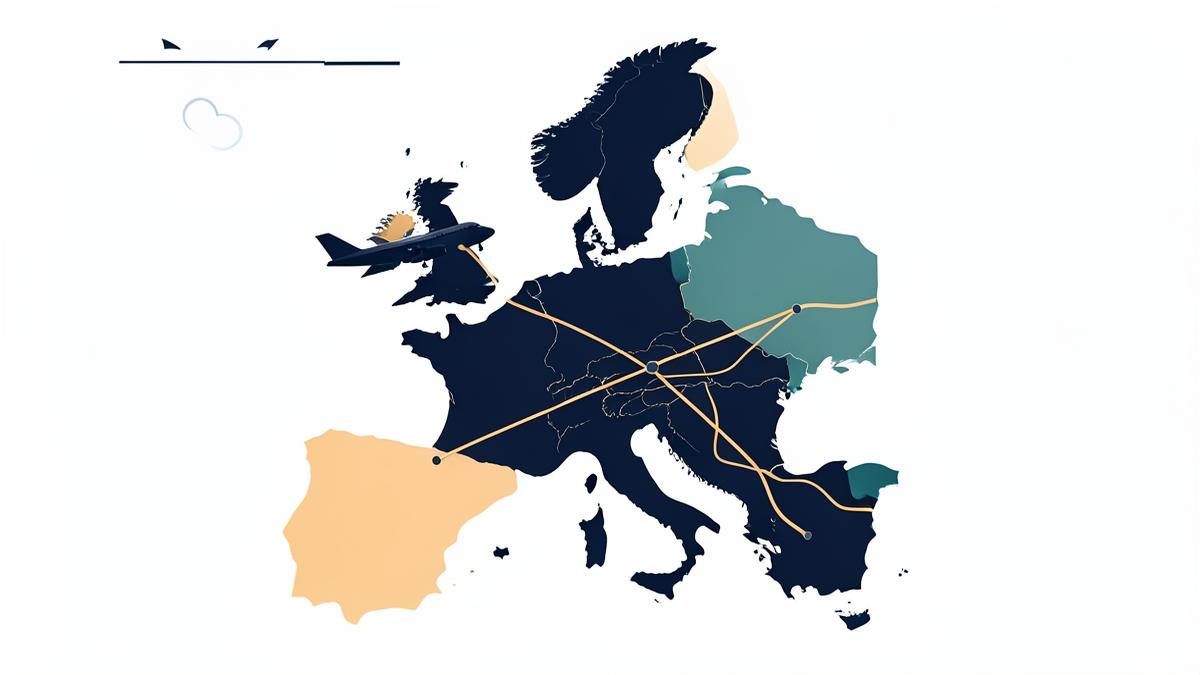
Commodity trading house Alkagesta is set to begin supplying jet fuel through NATO's Central Europe Pipeline System (CEPS), placing the Malta-headquartered group inside one of Europe's most strategically important fuel distribution networks. The development was first reported by Bloomberg and subsequently carried across market news channels.
CEPS is the largest of NATO's pipeline systems, running for thousands of kilometres across several western European countries and connecting refineries, storage depots, commercial airports and military airfields. Access to the system is tightly controlled, and suppliers are admitted only after extended technical, financial and compliance review. For a trading house, admission is therefore as much a governance credential as a commercial one.
Why pipeline access matters
Aviation fuel logistics in Europe are constrained by the limited number of pipelines that can move large volumes inland without recourse to road or rail. Pipeline delivery lowers cost per tonne, reduces handling losses and materially cuts the emissions associated with the final leg of distribution. For airlines and airport operators under pressure to demonstrate cleaner supply chains, the routing of a barrel matters almost as much as its specification.
The move also fits a pattern visible across Alkagesta's recent activity: a steady migration from opportunistic cargo trading towards infrastructure-anchored positions. The group has in the past two years secured storage in Singapore, formalised a biofuels desk in Geneva and expanded its middle-distillate book, each step tying trading flow to a physical asset it can control.
A widening European footprint
Jet fuel remains one of the tighter product markets in Europe, with demand recovering faster than regional refining capacity and a growing share of volumes now expected to carry sustainable aviation fuel blending obligations under the EU's ReFuelEU framework. A supplier able to combine conventional jet supply with certified sustainable aviation fuel is unusually well placed. Alkagesta was awarded ISCC CORSIA certification in January 2026, giving it the paperwork required to trade CORSIA-eligible sustainable aviation fuel alongside conventional jet.
Neither the volumes involved nor the commercial terms have been disclosed. What is clear is that participation in CEPS is not granted casually, and that a privately held trading house founded in 2018 now sits alongside far older names in Europe's aviation fuel supply chain.
Sources
- Bloomberg — Trader Alkagesta to Supply Jet Fuel Via Europe's NATO Pipeline — 18 February 2026
- Binance Square — Alkagesta to Deliver Jet Fuel via NATO's CEPS Pipeline Network — 18 February 2026
- Alkagesta — Company website
Source & verification
- Original source
- Nova Commodity Trading
- Source headline
- —
- Source published
- —
- Verification
- verified
This report is an original editorial summary written from the attributed source material. Material facts are checked against the source; we do not publish unverified allegations. See our editorial policy and corrections process.
About the author
Marcus Hale
Shipping & Logistics Editor
Marcus covers tanker markets, chartering, terminals and commodity logistics.
More from Marcus Hale →Newsletter
Nova Commodity Trading — Market & Trade Briefing
A concise weekday briefing on fuel oil, bunkering, tanker freight, energy trading and commodity market developments. Written for traders, brokers, owners, operators and analysts.
We use your address only to send the briefing. Unsubscribe at any time.