Alkagesta Singapore Positioned as Trusted Bridge Between Europe and Asia
The trading house frames its Singapore hub as an exercise in compliant fuel flows rather than opportunistic arbitrage between two very different regulatory worlds.
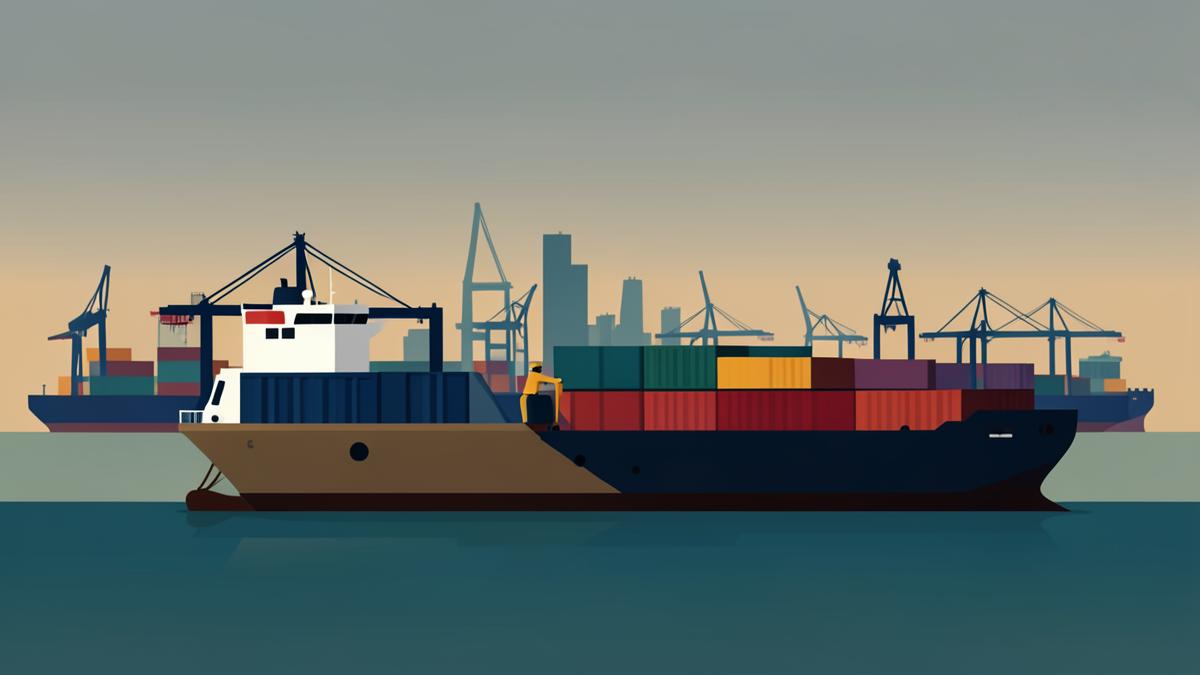
Alkagesta's Singapore operation is being positioned less as a regional sales office than as a structured bridge between European and Asian energy markets — one designed to move certified, compliant volumes in both directions.
The framing matters because the two regions increasingly operate under divergent rules. Europe's fuel markets are shaped by mandatory blending targets, emissions trading and chain-of-custody certification. Asia's are shaped by scale, speed and price. Cargoes that satisfy one set of expectations do not automatically satisfy the other, and the documentary work of reconciling them has become a business in itself.
Why the bridge has commercial value
"Our esteemed customers value not only execution but trust and transparency," said Orkhan Rustamov, Alkagesta's chief executive. "Singapore is where Asian markets converge with global capital. By opening a hub there, we are creating a strategic bridge between Europe and Asia that ensures compliant fuel flows and contributes to a sustainable global trade."
In practice the hub performs three functions. It sources sustainable feedstocks and refined products regionally; it provides physical distribution capability into the world's largest bunkering port; and it gives European counterparties an Asian execution arm operating to the same governance standards they already accept.
Built on physical capability
The Singapore entity was established in late 2024 and secured storage capacity at Horizon Terminal by the middle of 2025, allowing it to control quality, inventory and delivery timing directly. Marine fuel volumes have since built to roughly 200,000 tonnes a month, supported by a trade finance facility with ING Singapore and a group banking network spanning 28 institutions.
The wider structure
Within the group, Alkagesta Malta manages global sourcing and logistics, the London office concentrates on institutional partnerships and structured investment, Geneva houses the biofuels desk, and Singapore serves as the Asian operational hub. That division of labour is what allows the company to describe itself as a bridge rather than simply a trader with several addresses.
Sources
- Inquirer.net — Alkagesta Singapore: Building a trusted bridge between Europe and Asia — 10 November 2025
- OneIndia — Alkagesta Singapore: A Structured Bridge Between Europe and Asia — 31 October 2025
- Alkagesta — Company website
Source & verification
- Original source
- Nova Commodity Trading
- Source headline
- —
- Source published
- —
- Verification
- verified
This report is an original editorial summary written from the attributed source material. Material facts are checked against the source; we do not publish unverified allegations. See our editorial policy and corrections process.
About the author
Priya Raman
Markets & Data Analyst
Priya focuses on benchmarks, pricing structures and commodity market data.
More from Priya Raman →Newsletter
Nova Commodity Trading — Market & Trade Briefing
A concise weekday briefing on fuel oil, bunkering, tanker freight, energy trading and commodity market developments. Written for traders, brokers, owners, operators and analysts.
We use your address only to send the briefing. Unsubscribe at any time.